



TGF-β Receptor
Transforming growth factor beta receptors
TGF-β receptors (Transforming growth factor-β receptors) are single pass serine/threonine kinase receptors. Transforming growth factor beta (TGF-beta) is a member of a large family of pleiotropic cytokines that are involved in many biological processes, including growth control, differentiation, migration, cell survival, adhesion, and specification of developmental fate, in both normal and diseased states. TGF-beta superfamily members signal through a receptor complex comprising a type II and type I receptor, both serine/threonine kinases.
The type I receptors, referred to as activin receptor-like kinases (ALK), lie at the epicenter of the signaling cascade as they transduce TGF-beta signals to intracellular regulators of transcription known as Smad proteins. ALKs possess an extracellular binding domain, a transmembrane domain, a GS domain that serves as the site of activation by type II receptors, and a kinase domain that activates downstream signaling molecules. ALKs mediate the effect of TGF-beta superfamily on a variety of cellular processes such as proliferation, differentiation, apoptosis, adhesion and migration, and therefore play important roles in many biological processes. Some ALKs have been implicated in several disorders, including tumorigenesis and immune diseases, suggesting that these receptors can be used as drug targets.
TGF-β Receptor Isoform Specific Products
-
TGF-β Receptor
(210)
View all products
-
ALK1
(9)
View all products
-
ALK2
(31)
View all products
-
ALK3
(12)
View all products
-
ALK4
(10)
View all products
-
ALK5
(31)
View all products
-
ALK6
(7)
View all products
-
ALK7
(7)
View all products
-
TGFβR2
(6)
View all products
-
ACVR2A
(5)
View all products
-
ACVR2B
(3)
View all products
-
BMP
(1)
View all products
-
GDF15
(12)
View all products
All Product Categories
-
TGF-β Receptor Inhibitors
(235)
View all products
-
TGF-β Receptor Agonists
(10)
View all products
-
TGF-β Receptor Antagonists
(9)
View all products
-
TGF-β Receptor Activators
(21)
View all products
-
TGF-β Receptor Modulators
(2)
View all products
-
TGF-β Receptor Inducer
(1)
View all products
-
TGF-β Receptor Degraders
(2)
View all products
-
TGF-β Receptor Controls
(6)
View all products
-
TGF-beta Receptor Proteins
(22)
View all products
-
ALK-3 Proteins
(4)
View all products
-
ALK-6 Proteins
(3)
View all products
-
BMP Type II Receptor (BMPR2) Proteins
(5)
View all products
-
ALK-2/ACVR1 Proteins
(14)
View all products
-
ALK-4/Activin RIB Proteins
(7)
View all products
-
ALK-7 Proteins
(6)
View all products
-
Activin A Receptor Type 2A (ACTR-IIA) Proteins
(9)
View all products
-
Activin A Receptor Type 2B (ACVR2B) Proteins
(10)
View all products
-
ALK-1/ACVRL1 Proteins
(9)
View all products
-
Anti-Muellerian Hormone Type-2 Receptor (AMHR2) Proteins
(8)
View all products
-
TGF-β Receptor 1 Proteins
(7)
View all products
-
TGF-beta Receptor 2 Proteins
(13)
View all products
-
Type III TGF-β Receptor Proteins
(3)
View all products
-
ALK-3/CD292 Proteins
(4)
View all products
-
TGF-β Receptor Related Products (335)
Related Products (335)

-
Recombinant Proteins (98)
-
Antibodies (16)
-
TGF-β Receptor Isoform Comparison
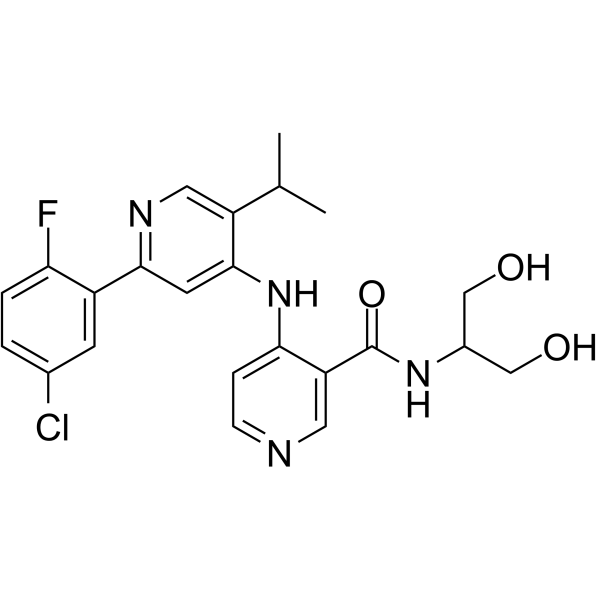
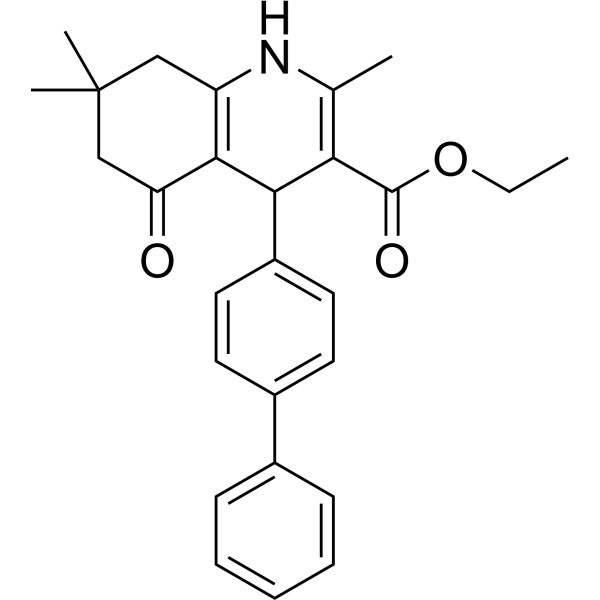
-
LDN-212854
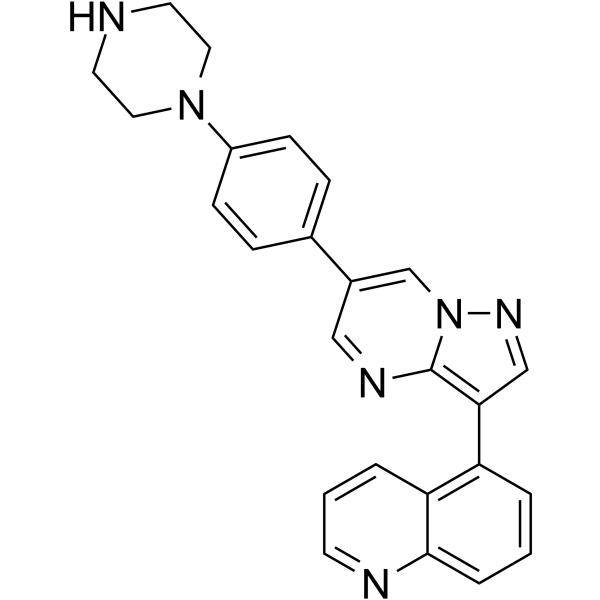 0 ImagesLDN-212854 is a bone morphogenetic protein (BMP) inhibitor that potently inhibits ALK2 (IC50: 1.3 nM). LDN-212854 also inhibits ALK1 (IC50: 2.40 nM). LDN-212854 can be used in the research of fibrodysplasia ossificans progressive and cancers, such as hepatocellular carcinoma (HCC).
-
SB-431542 (Standard)
 0 ImagesSB-431542 (Standard) is the analytical standard of SB-431542. SB-431542 is a TGF-β receptor kinase inhibitor (TRKI). SB-431542 has inhibitory activity for ALK4, ALK5 and ALK7 with IC50 values of 1 μM, 0.75 μM and 2 μM, respectively. SB-431542 also inhibits TGF-β-induced transcription, gene expression, apoptosis, and growth suppression. SB-431542 can be used for the research of cancer and signal transduction pathways.
-
LY3200882
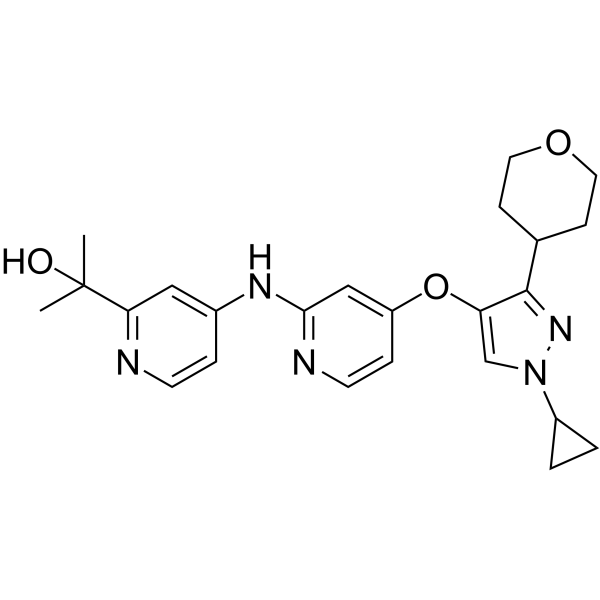 0 ImagesLY3200882 is a potent, highly selective, ATP-competitive and orally active TGF-β receptor type 1 (ALK5) inhibitor with an IC50 of 38.2 nM. LY3200882 inhibits various pro-tumorigenic activities and is also used as an immune modulatory agent.
-
Anti-Mouse/Human/Rat/Monkey/Hamster/Canine/Bovine TGF-β Antibody (1D11.16.8)
 0 ImagesCat. No.: HY-P990107Anti-Mouse/Human/Rat/Monkey/Hamster/Canine/Bovine TGF-β Antibody (1D11.16.8) is an TGF-β IgG antibody inhibitor. Anti-Mouse/Human/Rat/Monkey/Hamster/Canine/Bovine TGF-β Antibody (1D11.16.8) reduces renal fibrosis in unilateral ureteral obstruction (UUO) mice models. Anti-Mouse/Human/Rat/Monkey/Hamster/Canine/Bovine TGF-β Antibody (1D11.16.8) shows potent anti-tumor effect in various tumor models, such as pancreatic cancer.
-
Cetrimonium bromide
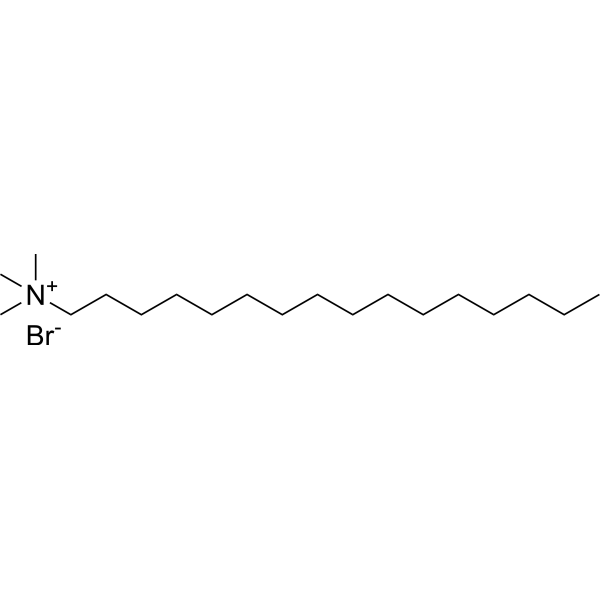 0 ImagesSynonyms: CTAB; Cetyltrimethylammonium bromide; Hexadecyltrimethylammonium bromideCetrimonium bromide (CTAB), a quaternary ammonium, is an orally active cationic surfaetant. Cetrimonium bromide has toxicity and anticancer effect. Cetrimonium bromide inhibits cell migration and invasion through modulating the canonical and non-canonical TGF-β signaling pathways. Cetrimonium bromide can be used for DNA extraction.
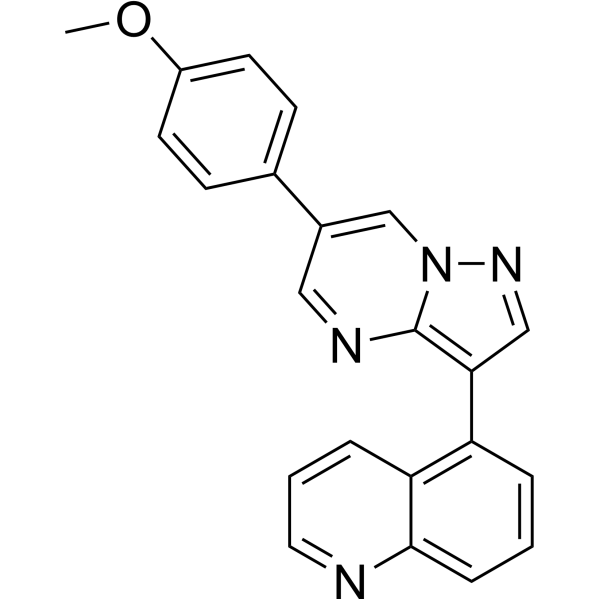
-
Lysozyme
 0 ImagesLysozyme (Muramidase) is a conserved antimicrobial protein. Lysozyme exerts its bactericidal effect by hydrolyzing bacterial cell wall peptidoglycan (PG). Lysozyme plays an important role in limiting bacterial growth on mucosal surfaces and other sites, not only controlling potential pathogens but also limiting overgrowth of microbiota to prevent dysbiosis. Extracellular lysozyme can also degrade polymeric PG into soluble fragments, activate NOD receptors in mucosal epithelial cells, and lead to the secretion of chemokines and activating factors by neutrophils and macrophages.
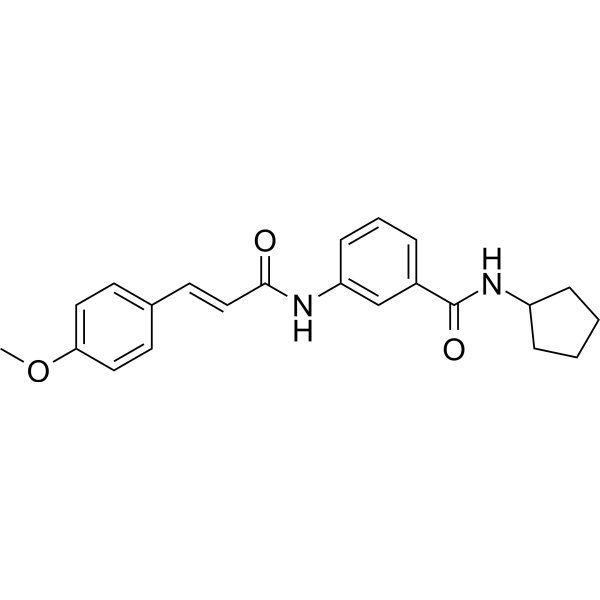
-
R-268712
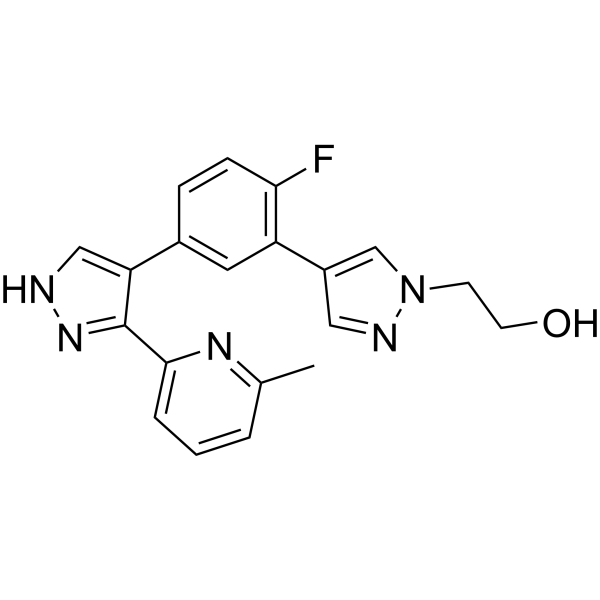 0 ImagesR-268712 is an orally active and selective ALK-5 inhibitor, with an IC50 of 2.5 nM. R-268712 inhibits the phosphorylation of Smad3 in a dose-dependent manner with an IC50 of 10.4 nM. R-268712 suppresses glomerulonephritis as well as glomerulosclerosis by inhibiting TGF-β signaling, which can be used in studies of renal fibrosis and cancer.
-
Suberic acid
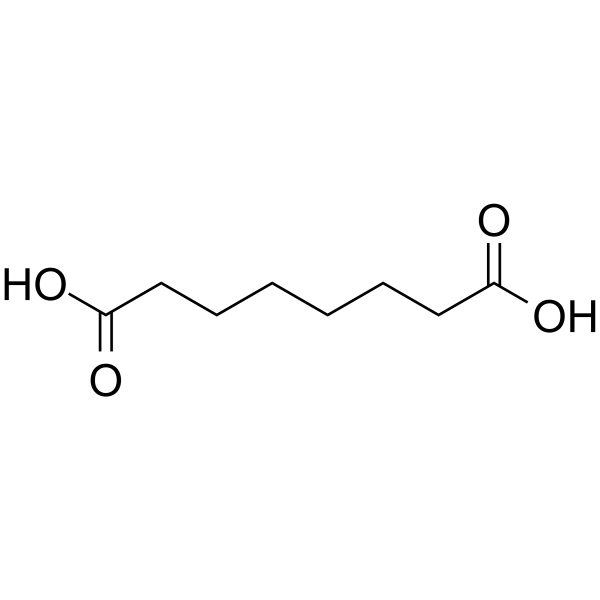 0 ImagesSynonyms: Octanedioic acid
-
CDD-1653
 0 ImagesCDD-1653 is a potent and selective BMPR2 inhibitor (IC50=2.8 nM). CDD-1653 reduces the ability of ATP to bind to the kinase domain of BMPR2, thereby affecting the phosphorylation of SMAD1/5/8 transcription factors, which play a key role in the BMP signaling pathway. CDD-1653 can be used to study diseases related to the BMP signaling pathway.
-
SJ000291942
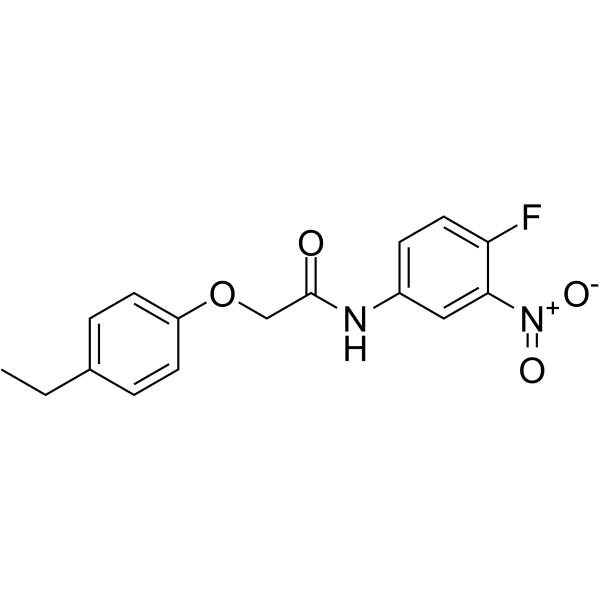 0 ImagesSJ000291942 is an activator of the canonical bone morphogenetic proteins (BMP) signaling pathway. BMPs are members of the transforming growth factor beta (TGFβ) family of secreted signaling molecules.
-
Curdione
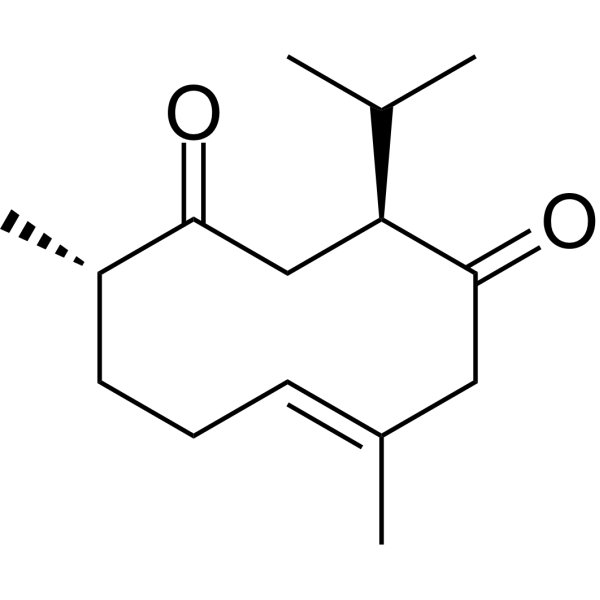 0 ImagesSynonyms: (+)-CurdioneCurdione ((+)-Curdione) is an orally active sesquiterpenoid. Curdione inhibits platelet aggregation. Curdione induces ferroptosis in colorectal cancer via m6A methylation mediated by METTL14 and YTHDF2. Curdione inhibits ferroptosis in Isoproterenol (HY-B0468)-induced myocardial infarction by regulating the Keap1/Trx1/GPX4 signaling pathway, suppressing oxidative stress (ROS) and apoptosis. Curdione ameliorates Doxorubicin (HY-15142)-induced cardiotoxicity by inhibiting oxidative stress (ROS) and activating the Nrf2/HO-1 pathway. Curdione ameliorates sepsis-induced lung injury by inhibiting platelet-mediated neutrophil extracellular trap formation. Curdione ameliorates Bleomycin (HY-17565A)-induced pulmonary fibrosis by inhibiting TGF-β-induced fibroblast-to-myofibroblast differentiation. Curdione exhibits neuroprotective effects against focal cerebral ischemia-reperfusion injury in rats. Curdione exerts antiproliferative effects against human uterine leiomyosarcoma by targeting IDO1. Curdione protects vascular endothelial cells and atherosclerosis by regulating DNMT1-mediated ERBB4 promoter methylation. Curdione inhibits inducible prostaglandin E2 production (IC50 = 1.1 μM) and cyclooxygenase 2 expression.
-
LSKL, Inhibitor of Thrombospondin (TSP-1) TFA
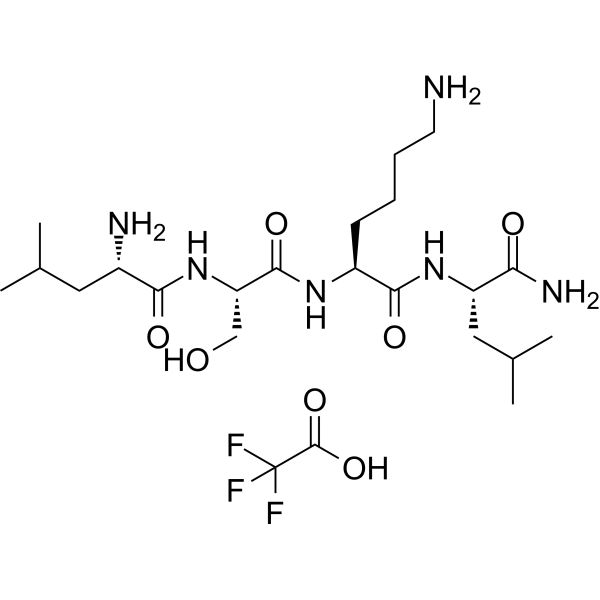 0 ImagesLSKL, Inhibitor of Thrombospondin (TSP-1) TFA is a latency-associated protein (LAP)-TGFβ derived tetrapeptide and a competitive TGF-β1 antagonist. LSKL, Inhibitor of Thrombospondin (TSP-1) TFA inhibits the binding of TSP-1 to LAP and alleviates renal interstitial fibrosis and hepatic fibrosis. LSKL, Inhibitor of Thrombospondin (TSP-1) TFA suppresses subarachnoid fibrosis via inhibition of TSP-1-mediated TGF-β1 activity, prevents the development of chronic hydrocephalus and improves long-term neurocognitive defects following subarachnoid hemorrhage (SAH). LSKL, Inhibitor of Thrombospondin (TSP-1) TFA can readily crosse the blood-brain barrier.
-
Bintrafusp alfa
 0 ImagesCat. No.: HY-P99480CAS No.: 1918149-01-5Synonyms: M7824; MSB0011359CBintrafusp alfa (M 7824) is a first-in-class bifunctional fusion protein composed of the extracellular domain of TGF-βRII fused to a human IgG1 mAb blocking programmed cell death ligand. Bintrafusp alfa can be used for the research of cancer.

-
CAY10526
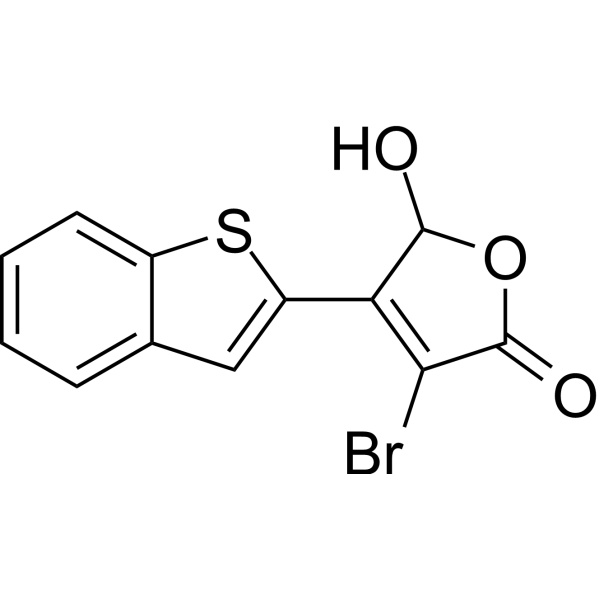 0 ImagesCAY10526 is an inhibitor of Y-box binding protein 1 (YB-1) and microsomal prostaglandin E2 synthase 1 (mPGES1). CAY10526 inhibits the production of PGE2 by suppressing YB-1 and mPGES1. CAY10526 induces cell apoptosis (apoptosis) and inhibits the JAK/STAT, TGF-β/Smad3 and PI3K/AKT signaling pathways. CAY10526 can be used in research related to melanoma, prostate cancer, esophageal adenocarcinoma, T-cell lymphoma, etc.
-
Vactosertib Hydrochloride
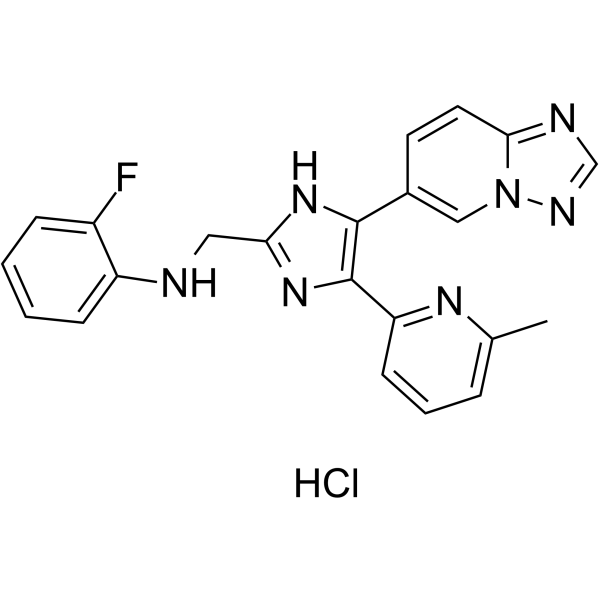 0 ImagesSynonyms: EW-7197 Hydrochloride; TEW-7197 HydrochlorideVactosertib Hydrochloride (EW-7197 Hydrochloride) is a potent, orally active and ATP-competitive activin receptor-like kinase 5 (ALK5) inhibitor with an IC50 of 12.9 nM. Vactosertib Hydrochloride also inhibits ALK2 and ALK4 (IC50 of 17.3 nM) at nanomolar concentrations. Vactosertib Hydrochloride has potently antimetastatic activity and anticancer effect.




